
From the very beginning, we've worked with families, clinical teams, and communities to strengthen childhood cancer care. Our focus has always been on filling gaps in support, responding to emerging needs, and standing beside families every step of the way.
Today, Candlelighters supports families in hospital, at home and beyond treatment, while continuing to invest in research, wellbeing, and supportive care.
Before Candlelighters was founded, childhood cancer care was fragmented, under-resourced, and offered alongside adult treatment. Treatments were limited and the chance of survival was just 40%. Hospital stays were long and families were incredibly isolated.
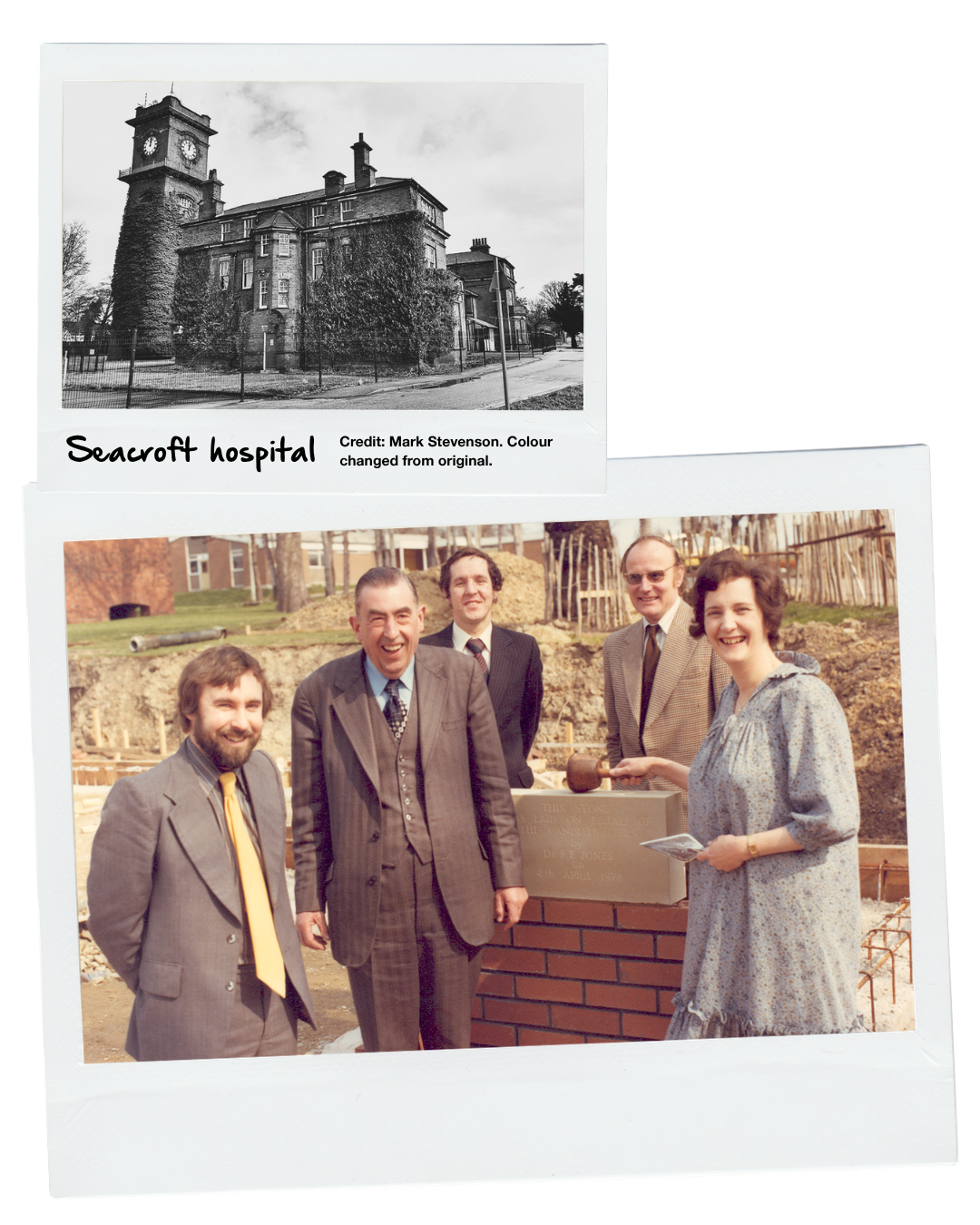
Parents and medical staff at Seacroft Hospital in Leeds came together to raise £90,000 for a dedicated children's cancer unit – over £800,000 in today’s money. The group adopted the name Candlelighters in 1976. What began as a campaign for better facilities and practical support soon grew into a community built on shared experiences, hope and support for families facing childhood cancer.
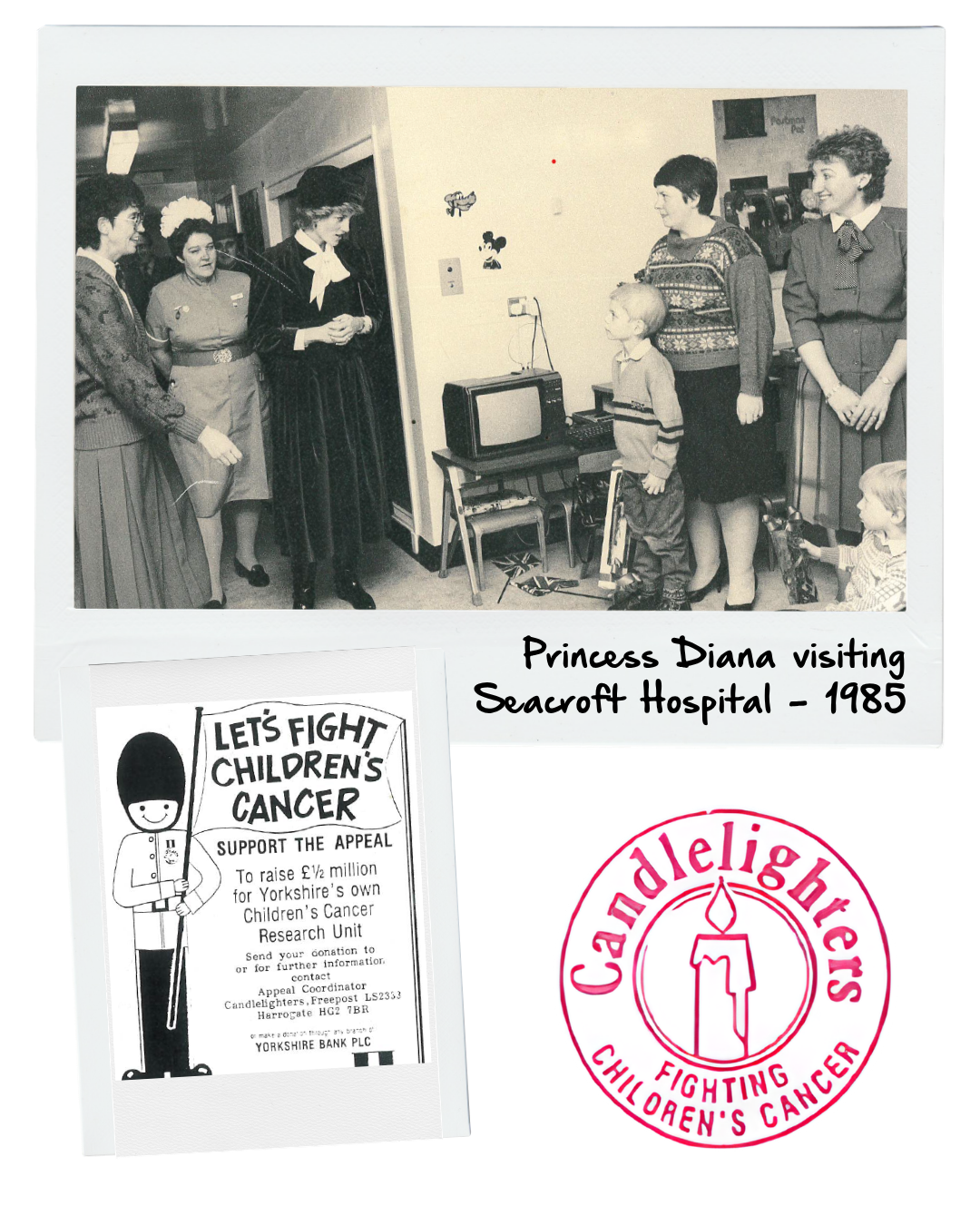
During the 1980s, care became more specialised. By 1985, Leeds had two paediatric oncology consultants, with more families travelling to the city for treatment. Candlelighters funded vital NHS support roles, including a registrar and a pharmacist, helping meet growing demand.
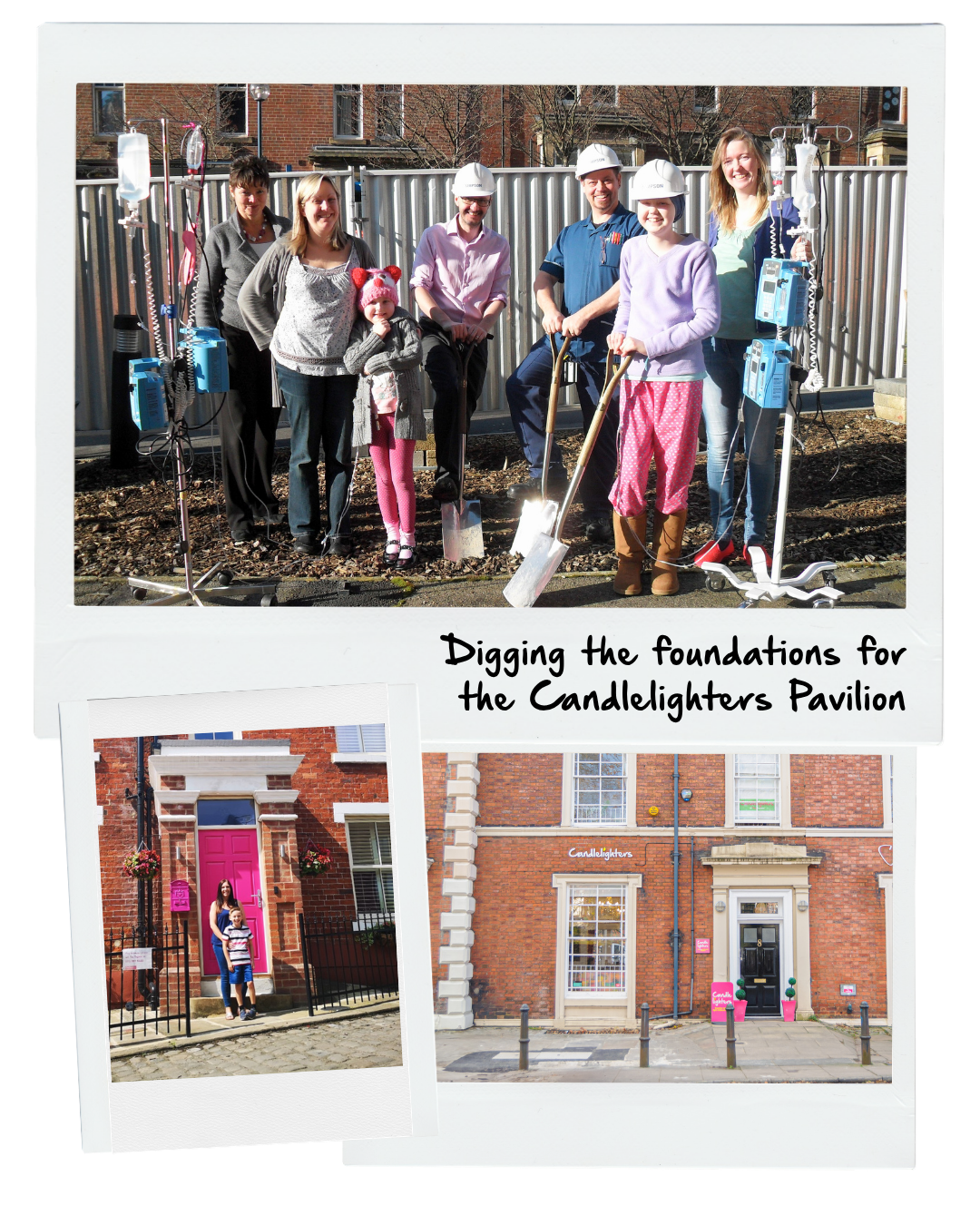
We funded important equipment that transformed daily life for children, including portable infusion pumps that allowed them to move around and play during their chemotherapy.
In 1989, Candlelighters launched a major appeal to build a dedicated children’s cancer research laboratory at St James’s Hospital. The campaign raised £1m, double it's original target and the lab opened in 1992. Still operating today, it is internationally recognised for its pioneering childhood cancer research.
In the early 90s, children's cancer services in Leeds were brought together at St James's Hospital, where Candlelighters established a permanent hospital presence and expanded its family support services.
In 1992, we were funding children's trips and holidays for more than 180 families each year. And in 1994, we began funding support for Eckersley House - the first home-from-home accommodation for families travelling for treatment.
Throughout the decade, Candlelighters funded ward refurbishments, therapeutic services and some of the UK’s earliest teenage cancer facilities. A growing network of volunteer-led fundraising branches across Yorkshire helped grow vital community support.
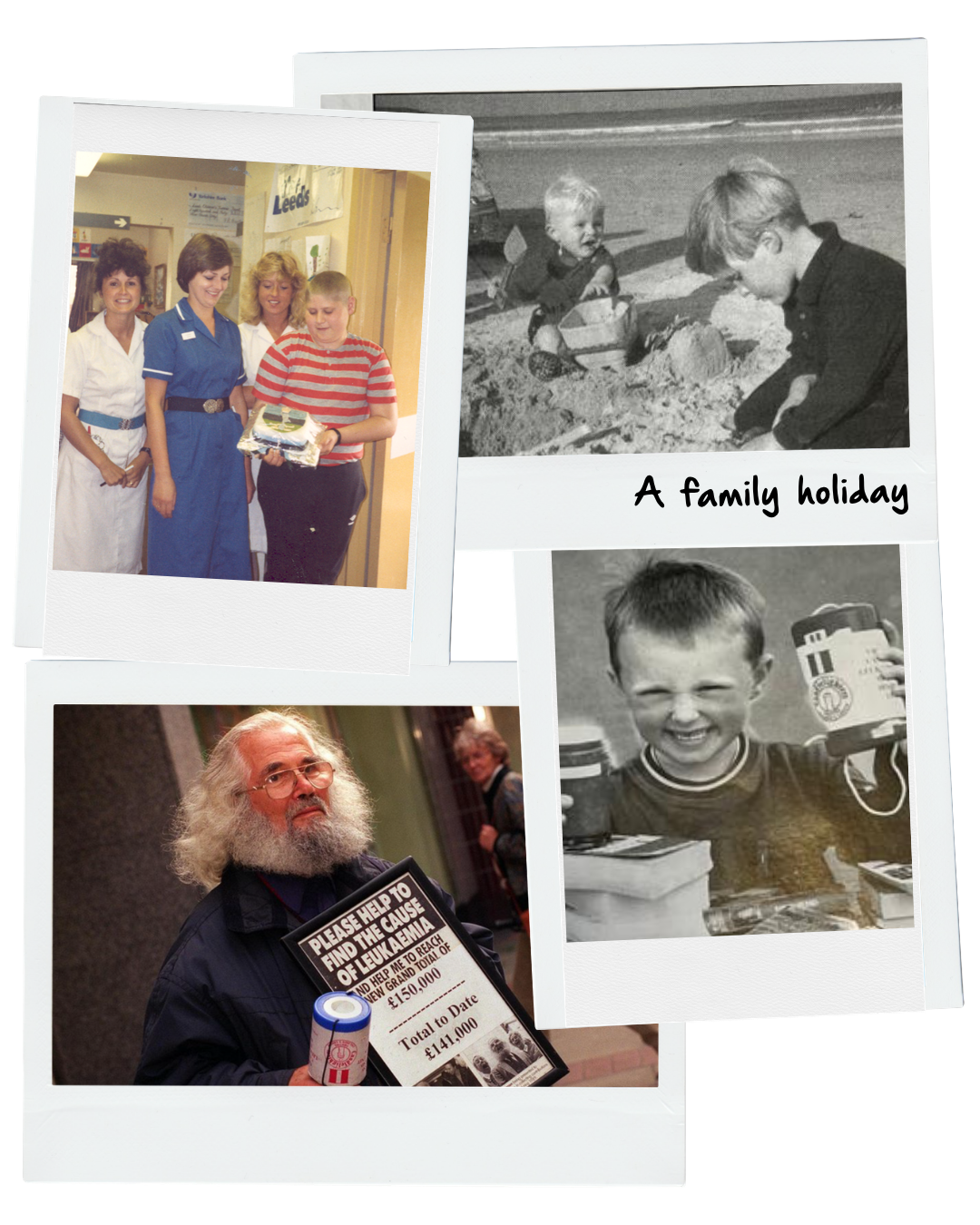
As survival rates improved thanks to research and expertise, greater focus was places on the emotional and long-term impact of childhood cancer. Candlelighters continued funding specialist medical roles, research staff and vital projects, including the children's cancer research laboratory and the Yorkshire Register. This forward thinking approach to research would benefit children around the globe, not just in Yorkshire.
We also expanded therapeutic and wellbeing support on the ward, helping improve everyday life for children and families during treatment. By the end of the decade, emotional wellbeing, mental health, and family support had become a central part of childhood cancer care alongside medical treatment.
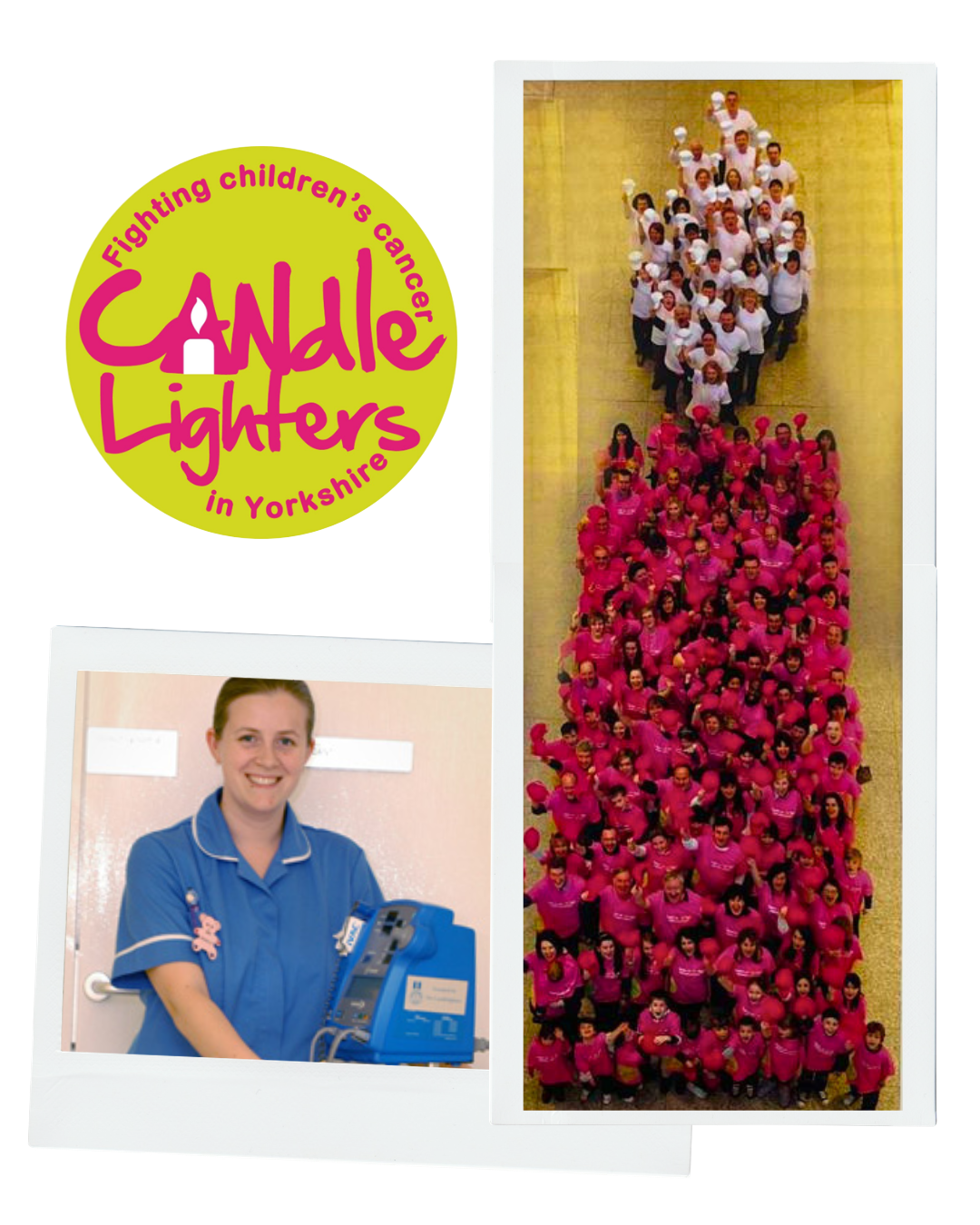
In 2010, children’s cancer services moved to Leeds General Infirmary, supported by a £500,000 appeal by Candlelighters. We continued to make hospital life less daunting, opening the Candlelighters Pavilion in 2013 and expanding the hospital Play Team.
During this time, our Family Support Worker role became a vital source of emotional and practical support – a consistent, trusted presence on the wards.
In 2015, we opened The Square, our dedicated family support centre, offering counselling, wellbeing services and peer support. We also introduced the UK's first Outreach Play Specialist role, bringing therapeutic play support to children's homes.
In 2018, the Candlelighters Cottage opened, providing extra accommodation for families travelling to Leeds for treatment.
The COVID 19 pandemic brought major challenges for families, with restrictions increasing isolation. Candlelighters adapted quickly, moving support online where possible, while maintaining essential hospital support despite reduced income.
As services recovered, we expanded our Family Support team, with support available across more days and hours than ever before. We also introduced a daily meal service for parents staying in hospital with their child, reducing practical and financial impacts on families.
In 2021, Leeds Children’s Hospital was recognised as the world’s first Centre of Excellence for Supportive Care, reflecting decades of progress supported by Candlelighters.
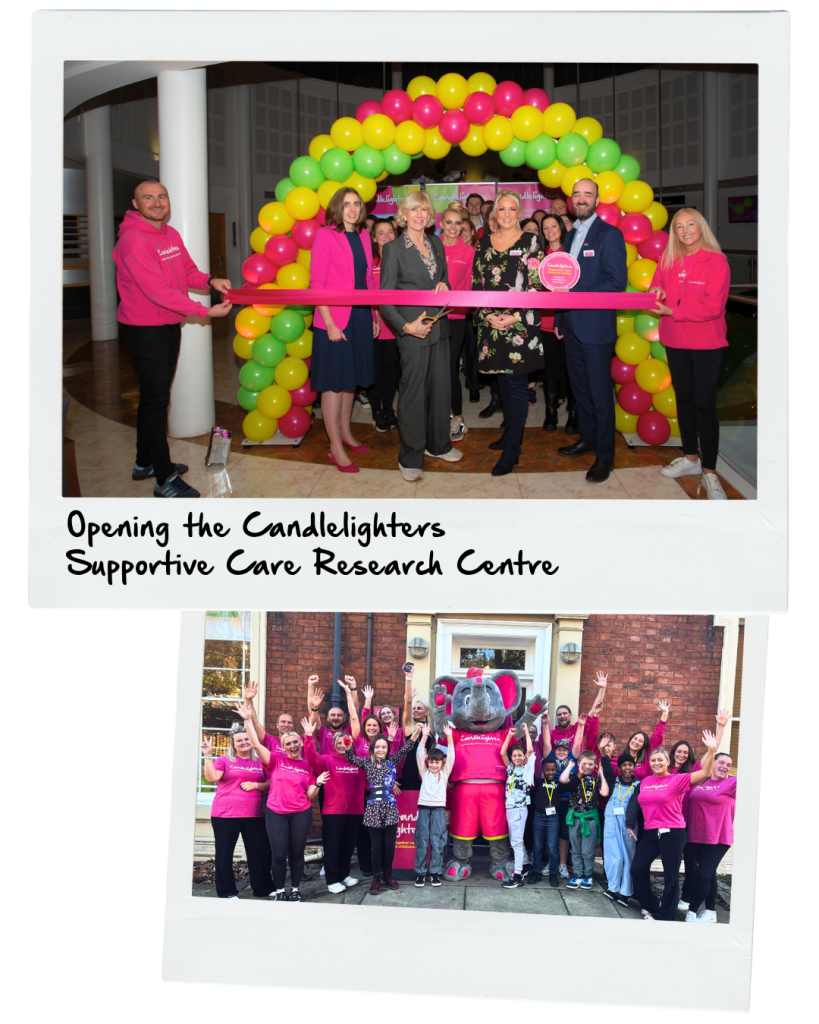
While survival rates rose to 80%, progress highlighted the long-term and sometimes life-threatening effects of treatment. In 2023, Candlelighters launched the Supportive Care Research Centre - the first of its kind - committing £1m over five years to improve quality of life and reduce treatment side effects for children and young people.
Thank you!
Every milestone in this journey has been made possible by people who chose to care, act, and stand alongside children facing cancer. From donors and fundraisers, to volunteers, and supporters working behind the scenes - this is the difference you made.
No contribution was too small. No effort is unnoticed. Together, you have helped transform childhood cancer care across Yorkshire, improving lives today and shaping a better future for children and families.
Looking forwards
Candlelighters began with a determination to improve life for families facing childhood cancer. What started as a small group responding to urgent need has grown into a charity embedded in children’s cancer care across Yorkshire.
But this milestone is more than a celebration. As survival rates improve, new and complex challenges are emerging, with many children living with the long-term effects of treatment on their health and wellbeing. The need to reduce harm, protect quality of life and support families has never been greater.
With your support, we can continue to move forward - delivering compassionate, life-changing care and driving research that builds a better future for children and young people. Here’s how you can help shape the next chapter...
Be part of what comes next

Challenge 50
Take on a 50-themed fundraising challenge to make sure support for families can continue
Raise awareness
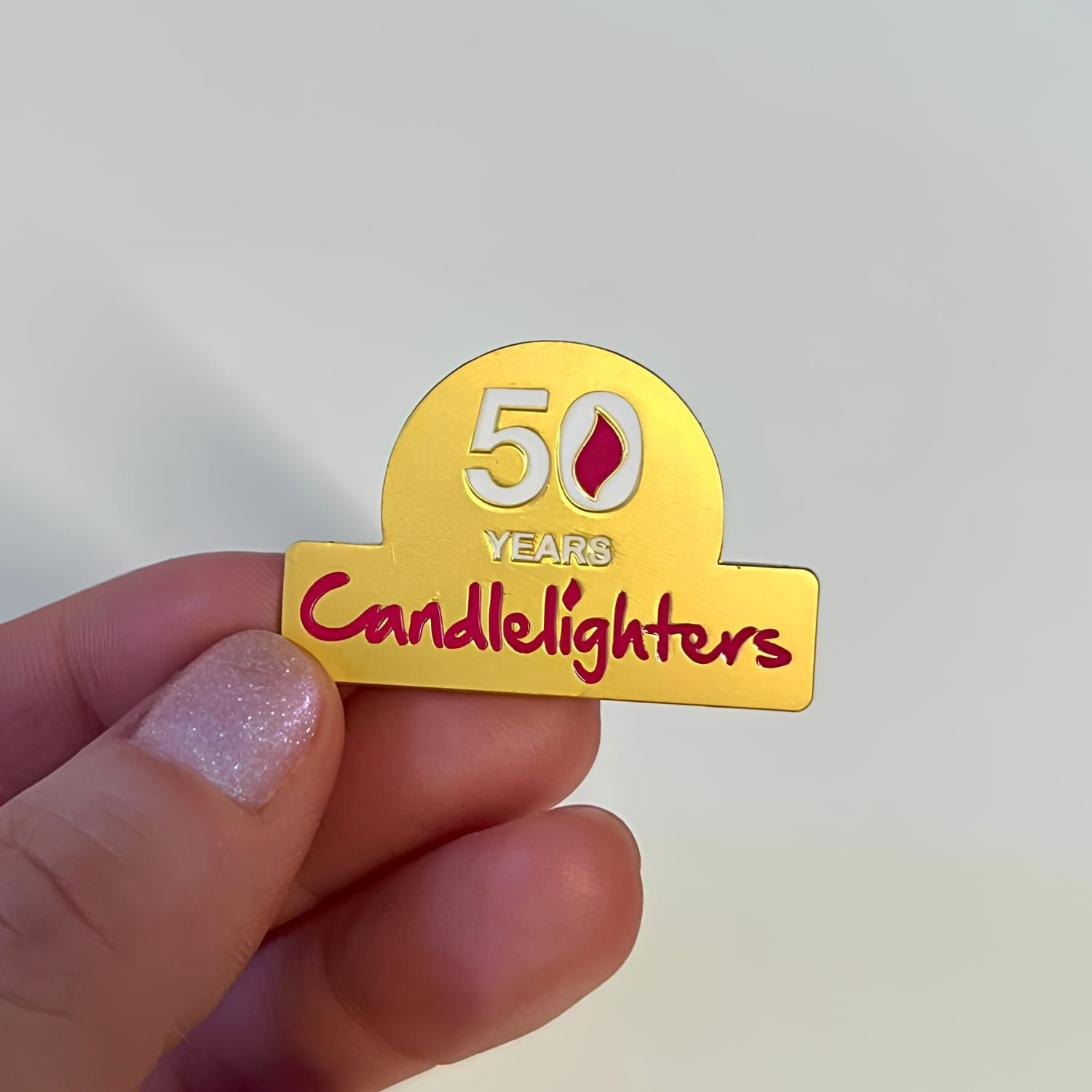
Help spread the word - share our posts, talk to people in your community, and wear our 50th anniversary badge.

Gifts in wills
Build a better future by leaving a gift to Candlelighters in your will. You can choose your own solicitor or use our free will-writing service.