A world-leading centre that will save lives, reduce suffering, and bring hope to young people and their families.
Did you know that of all children who die with cancer, 1 in 3 will die not because of the cancer, but because of the side effects of treatment? Worse still, research into reducing these side effects for children is virtually non-existent. Amazing progress has been made in understanding and treating childhood cancers. Today, around 80% of children or young people diagnosed with cancer survive.

Children often receive cancer treatments designed for adults and the impact on their smaller bodies can be severe. They suffer horrible side effects which can be traumatic, permanent, and even deadly.
In 2023, we launched The Candlelighters Supportive Care Research Centre to find out how paediatric oncologists can better treat and reduce these side effects.
Less than 5% of cancer research focuses on the care needs of patients - especially young people. We fund this vital but underfunded area of cancer care.
Ralph's story
During a family trip to London, Ralph - previously a healthy little boy - was diagnosed with T-cell lymphoma after doctors found large tumours in his neck and chest. Treatment began immediately and was effective against the cancer, but the side effects were devastating: severe sickness, tooth decay that meant five had to be removed, sore skin that was painful to touch, and life-threatening sepsis.
"No one can prepare you for the side effects. He couldn’t walk, he swelled up from steroids, he would scream in agony." - Ralph's mum, Cleo

What is supportive care?
During cancer treatment, there are different types of care patients may receive.
- Curative care is the treatment that is given to cure a patient, like chemotherapy to kill cancer cells.
- Supportive care refers to all other types of care except the treatment of the cancer itself.
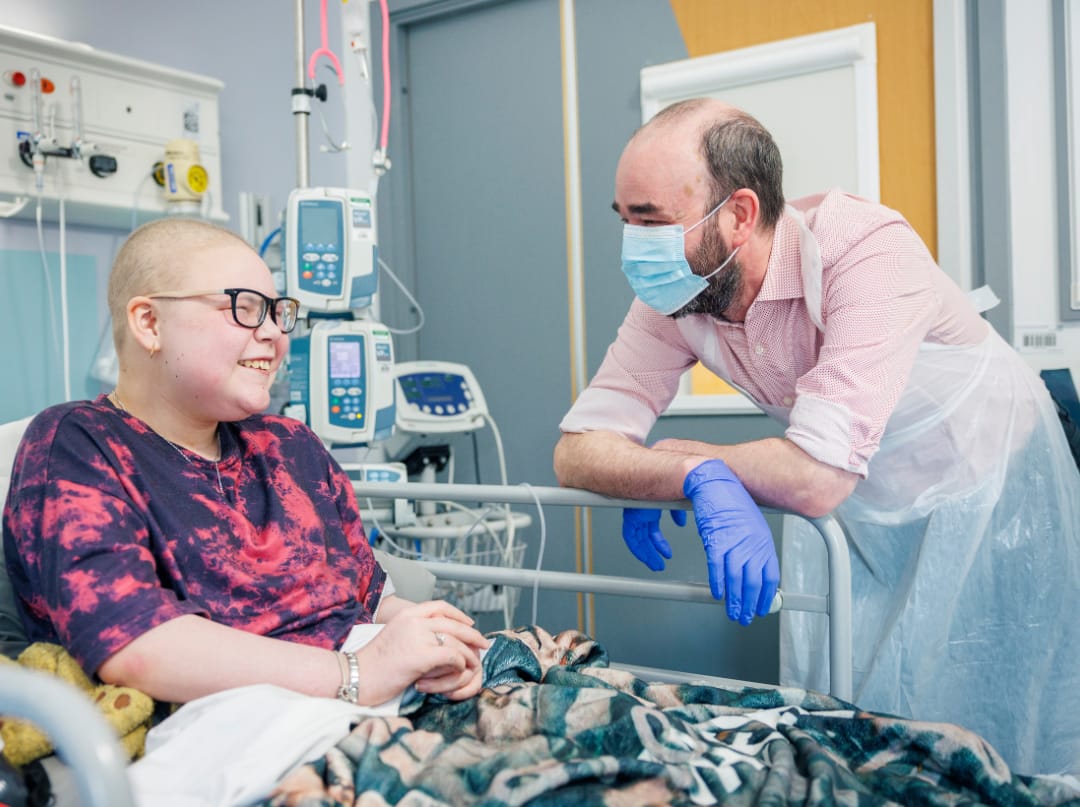
Supportive care might be using medication to relieve pain from treatment or antibiotics to reduce infections. Supportive care is crucial for children and young people with cancer. It can help prevent or reduce side effects, giving them the fullest life they can have during treatment, and increase their chance of survival.
Watch our 'Inside Supportive Care' video series
The Candlelighters Supportive Care Research Centre
With a £1 million, five-year investment, we’re driving research that can transform treatment experiences and improve young lives - in the UK and internationally. Together, we’re raising the profile of supportive care and changing what it means to face cancer as a child.

The centre is driving new research, forming academic partnerships, and enabling further studies in children’s supportive cancer care. We continue to seek funding to keep this momentum and expand our impact for the thousands of lives it will improve, save, and transform.
Current projects
Since the launch of the centre, great progress has been made in the following areas...
Preventing mucositis: Using red light therapy to prevent severe mouth ulcers which can leave young people unable to eat or swallow. These ulcers can extend from the mouth to the entire digestive tract and be excruciatingly painful for young people.
Preventing nausea and vomiting: Exploring ways to reduce persistent sickness and nausea which are detrimental to children's wellbeing and can lead to weight loss and heightened anxiety around receiving treatment.
Reducing hospital stays: Finding how to determine which young people can safely return home, minimising stress and disruption to their daily lives, and getting them back to the surroundings they are most comfortable in.
Patient and family involvement: Working with patients and families to understand what matters most to them and using their experiences to shape the centre’s research.
In the longer term, we want to make lasting changes...

Young lives saved
Fewer children and young people dying from side effects caused by cancer treatment.

Forward-thinking researchers
A team of new, talented scientists safeguarding the future of supportive care research.

Holistic care
Better nutritional interventions and improved psychological and social support alongside cancer treatment for children.

Research security
Sustainable income to support high-quality research that will benefit children now and in the future.

International improvements
A Yorkshire-based, world-class research centre, impacting care around the globe.
We’re looking for compassionate individuals, businesses, and Foundations to help fund this pioneering project - one that’s transforming how children and young people experience cancer treatment. Together, we can reduce the devastating side effects that so many young patients face. Together, we can give children with cancer the fullest life possible, and build a future where no child’s life is lost to the side effects of treatment.
If you believe every child with cancer deserves a better quality of life, please join us. Your support can save lives, ease suffering, and bring hope to young people and families.